
J Roller vs Seam Roller: Which Tool Fits Small Adhesive Projects?
AUGUST 8, 2026
Choosing between a J roller and a seam roller is mostly a question of scale. Both are hand rollers used to press material against an adhesive surface, but they are shaped for different jobs. A broad J roller can cover open panels quickly, while a compact seam roller is easier to guide along narrow joints, edges, corners, and smaller workpieces. This j roller vs seam roller guide explains the practical differences without treating either tool as a universal replacement for the other.
J Roller vs Seam Roller at a Glance
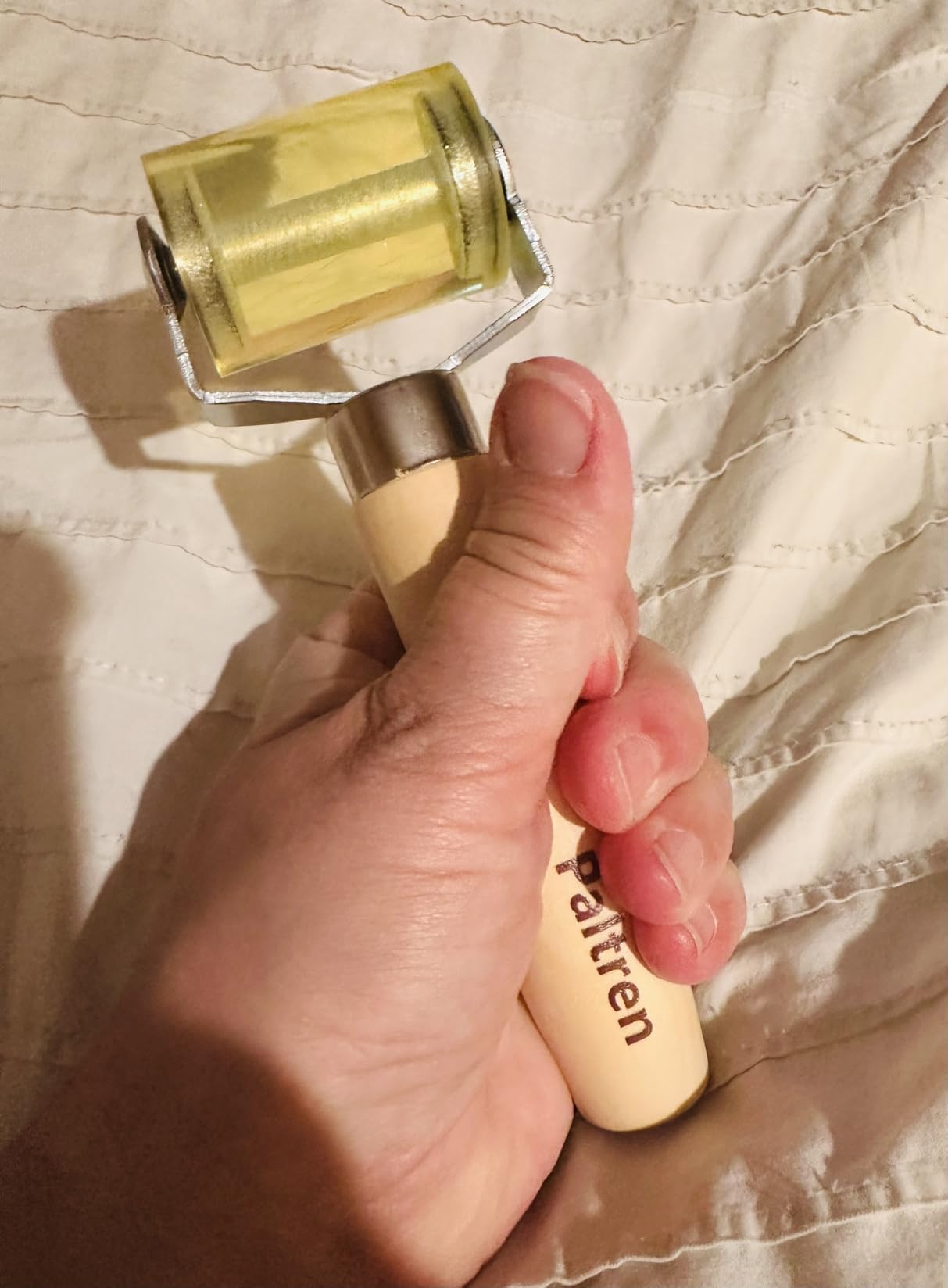
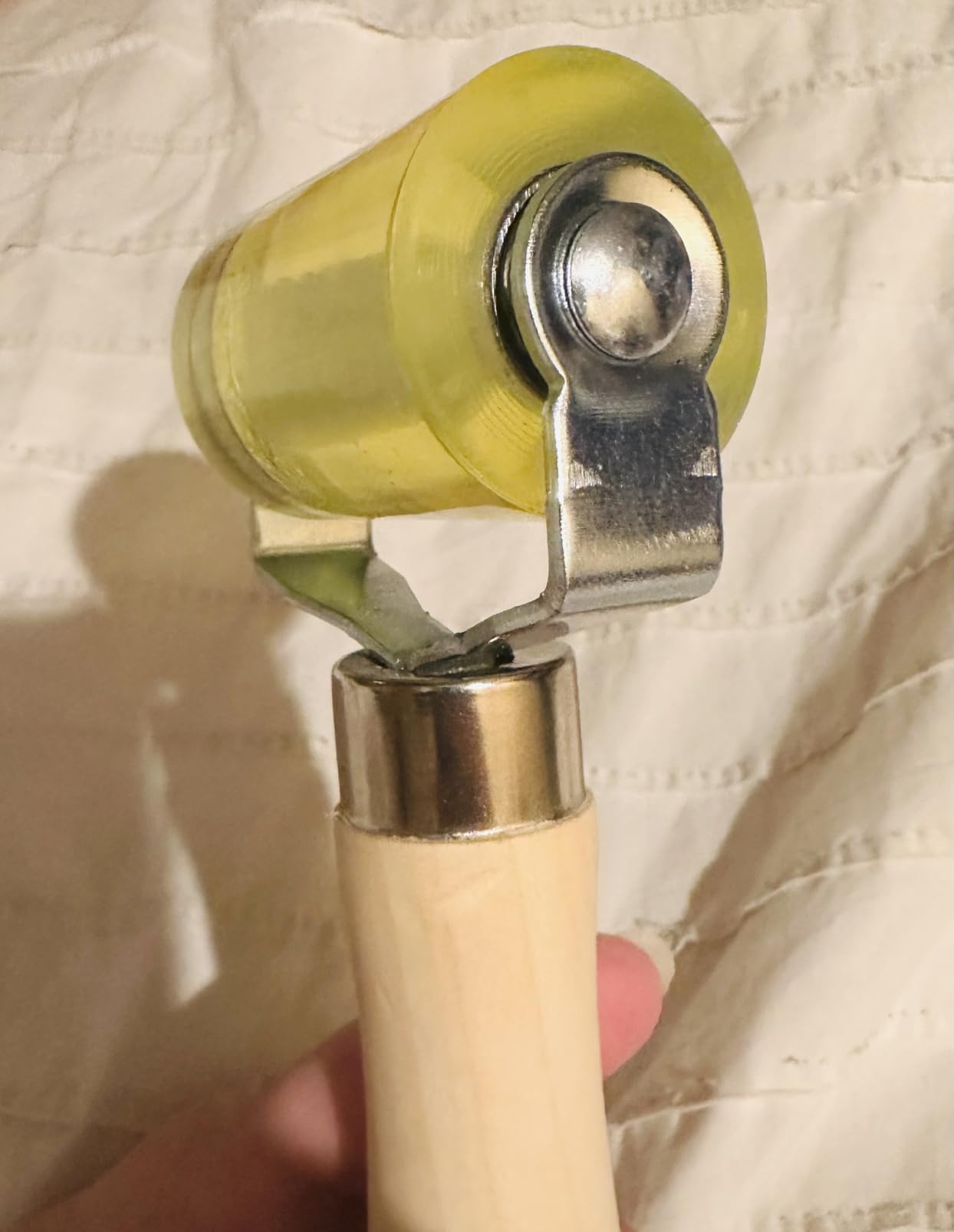
A typical J roller has a wide cylindrical roller set at the end of an angled handle. That geometry is useful when a project has a large, mostly flat surface and the goal is broad, even passes. A seam roller uses a narrower wheel and a straight hand-tool format. Its smaller contact area makes it easier to place pressure exactly where two edges meet.
- Choose a J roller when broad coverage across a flat panel is the priority.
- Choose a seam roller when edge access, compact storage, and controlled work on a narrow line matter more.
- Use both on mixed-size projects: broad passes first, then focused work at seams and edges.
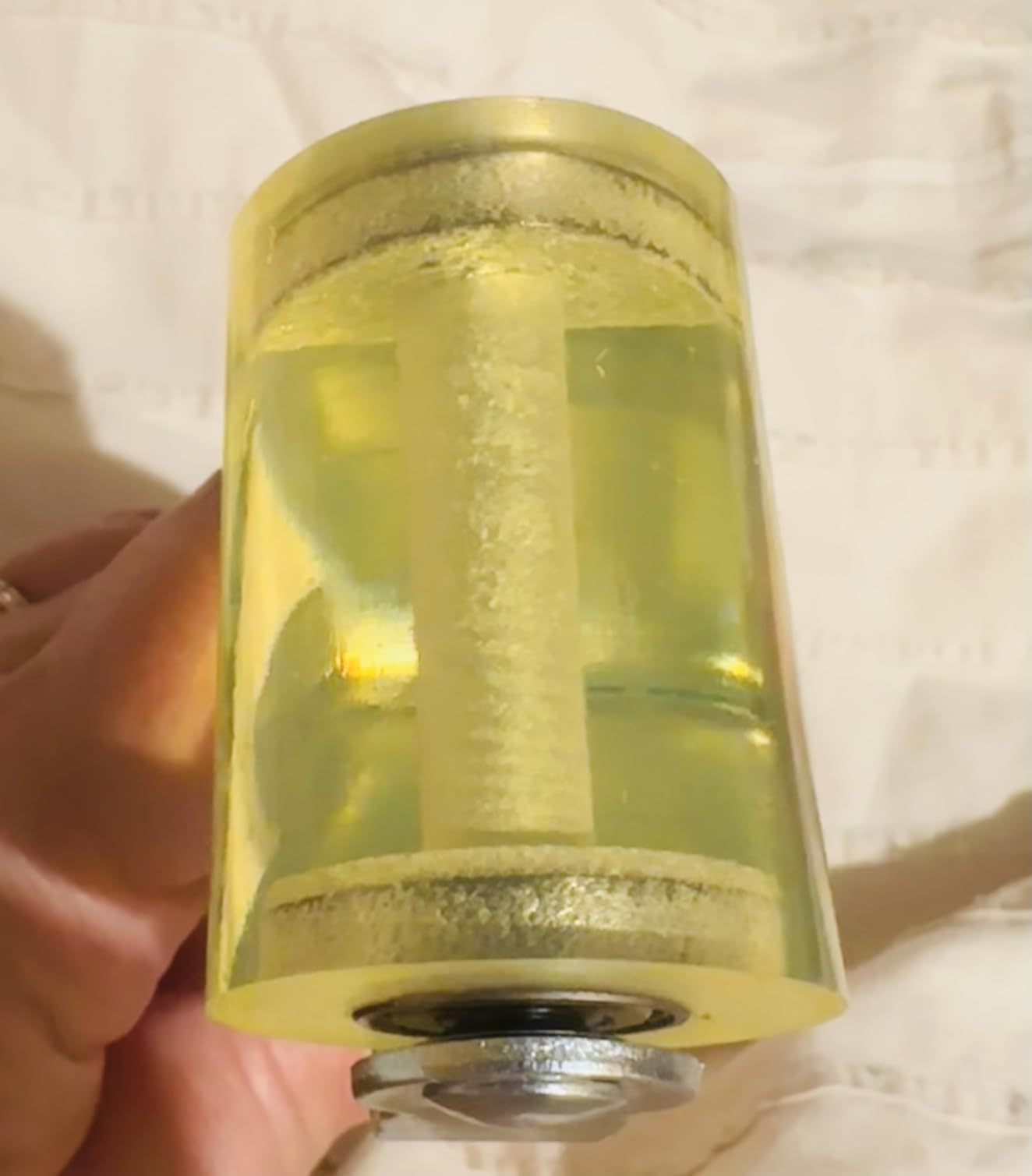
The Paltren seam roller with dual ball bearings belongs to the compact side of that comparison. It is a manual roller, so the pressure and number of passes remain under the user’s control.
Where a Compact Hand Roller Has the Advantage
Small adhesive projects often include details that a wide roller cannot reach comfortably: a short overlap, a border close to trim, a corner, or a narrow strip. A compact hand roller can be lined up with those features instead of bridging across them. That can make the tool easier to steer when accuracy matters more than speed.
The narrower format also suits stop-and-check work. You can make a short pass, inspect the edge, and continue without rolling across a much larger area. For wallpaper seams, vinyl details, tape edges, and other compatible adhesive materials, always follow the material and adhesive manufacturer’s instructions for pressure, timing, and surface preparation.
When a Wider J Roller Makes More Sense
A seam roller is not the fastest choice for every surface. If the workpiece is a broad sheet or panel with plenty of open space, the wider contact area of a J roller can reduce the number of passes. It can also make a more natural primary tool for laminate installation where the material supplier calls for a wide roller.
That distinction is important: tool size should match the installation instructions and the geometry of the job. Do not substitute a small roller for a required wide roller simply because it fits in the toolbox. The better comparison is not which roller is best in the abstract, but which one can reach the target area while following the material’s application guidance.
How to Use a Seam Roller Without Overworking the Material
- Prepare first. Confirm that the surface is clean and that the material is positioned according to its instructions.
- Start with a light pass. Let the roller track the seam or edge instead of forcing it sideways.
- Work in short sections. Check alignment before repeating a pass.
- Use only appropriate pressure. Excess pressure can be unsuitable for some materials or adhesives.
- Clean the roller after use. Remove compatible residue according to the adhesive maker’s cleanup directions, then dry the tool before storage.
A Practical Choice for a Mixed Tool Kit
For people who already own a wide roller, a seam roller can fill the precision gap rather than duplicate the same role. For a small project that consists mostly of borders, joints, or short strips, the compact tool may be the more direct starting point. The Paltren model’s dual-ball-bearing construction is a product feature intended to support smooth manual rolling, while the narrow wheel remains the key reason to choose this format.
If your next job centers on controlled edge work rather than broad panel coverage, review the compact seam roller for adhesive projects and compare its format with the dimensions and requirements of your material.