
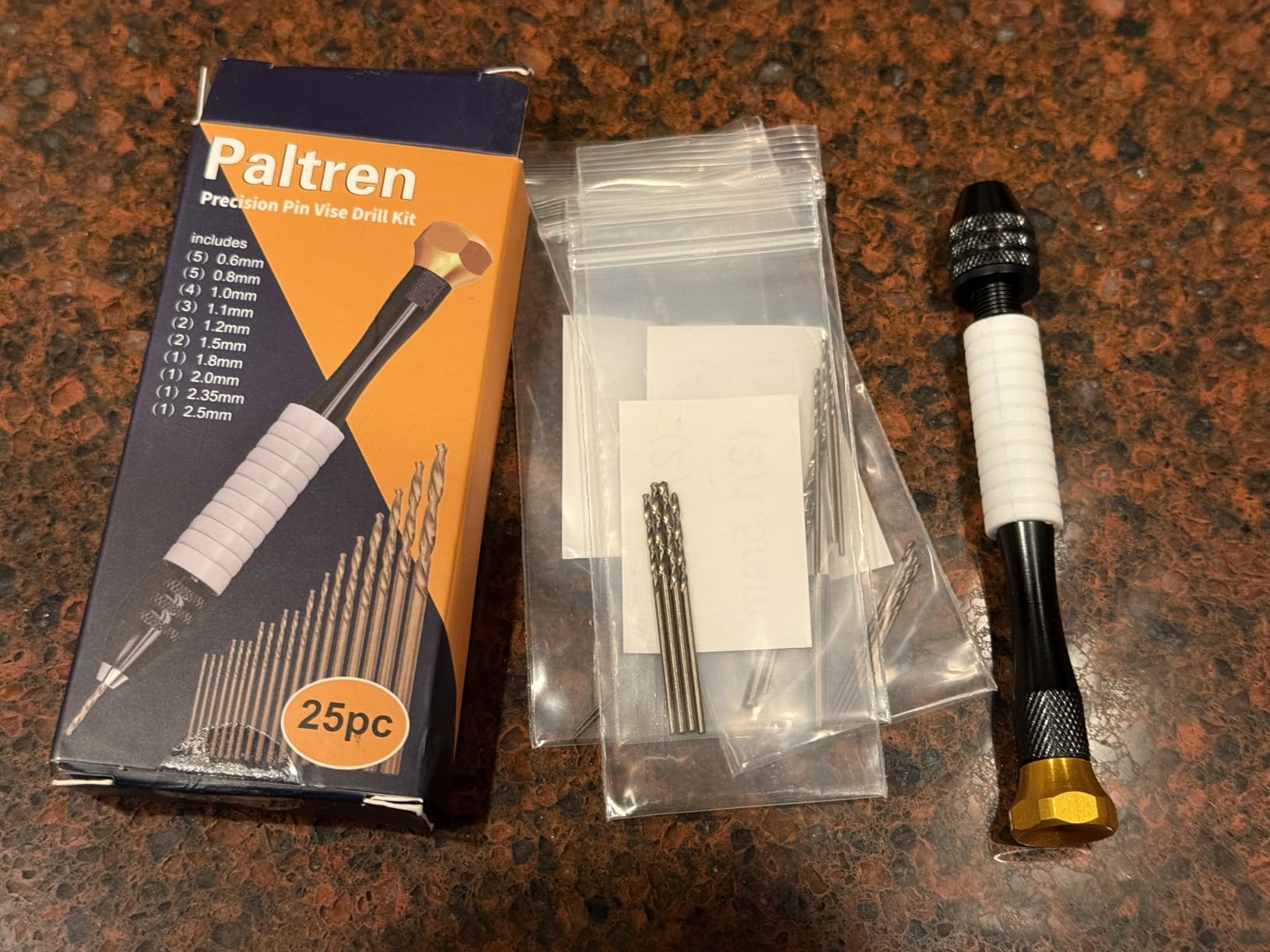
The Pin Vise: The Tiny Tool That Solves Big Problems
April 22, 2026
Every craftsman has a story about the moment a small tool saved the day. For me, that tool is the pin vise. It is one of those unassuming instruments that sits quietly in a drawer until you need it most. Then it becomes indispensable.
What Is a Pin Vise?
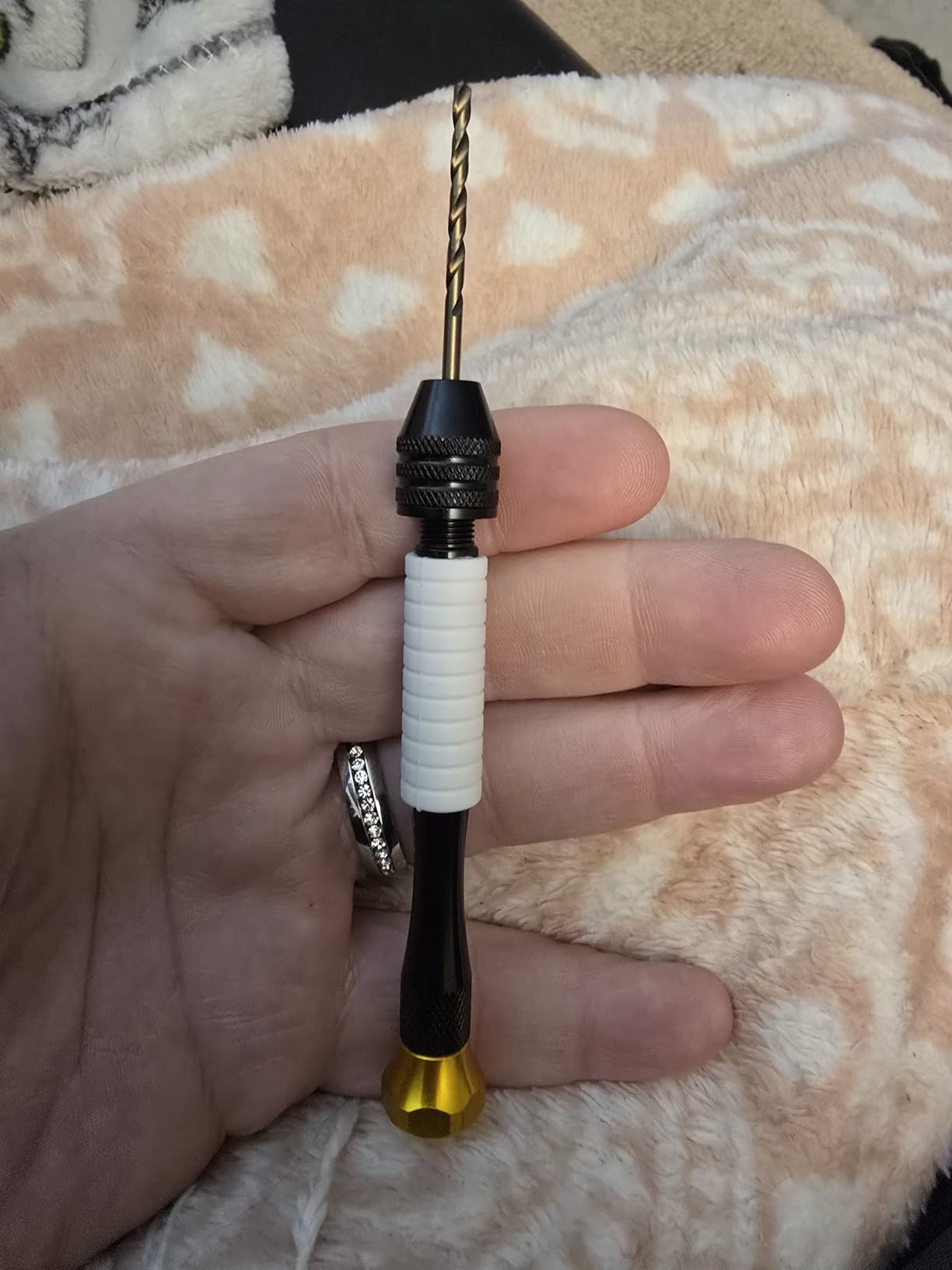
A pin vise is essentially a tiny drill chuck mounted on a handle. It holds slender bits, pins, and miniature drills with surprising grip. The design is simple: a cylindrical body with a collet at one end that tightens down on anything from a pin to a #00 screw. You turn it by hand, and it bites with enough force to get the job done without slipping.
The pin vise fills a gap that regular drills cannot. When you need to make a pilot hole smaller than 1mm, your power drill is useless. The pin vise steps in and does the work precisely, without the risk of snapping fragile bits or tearing delicate materials.
Where It Earns Its Place
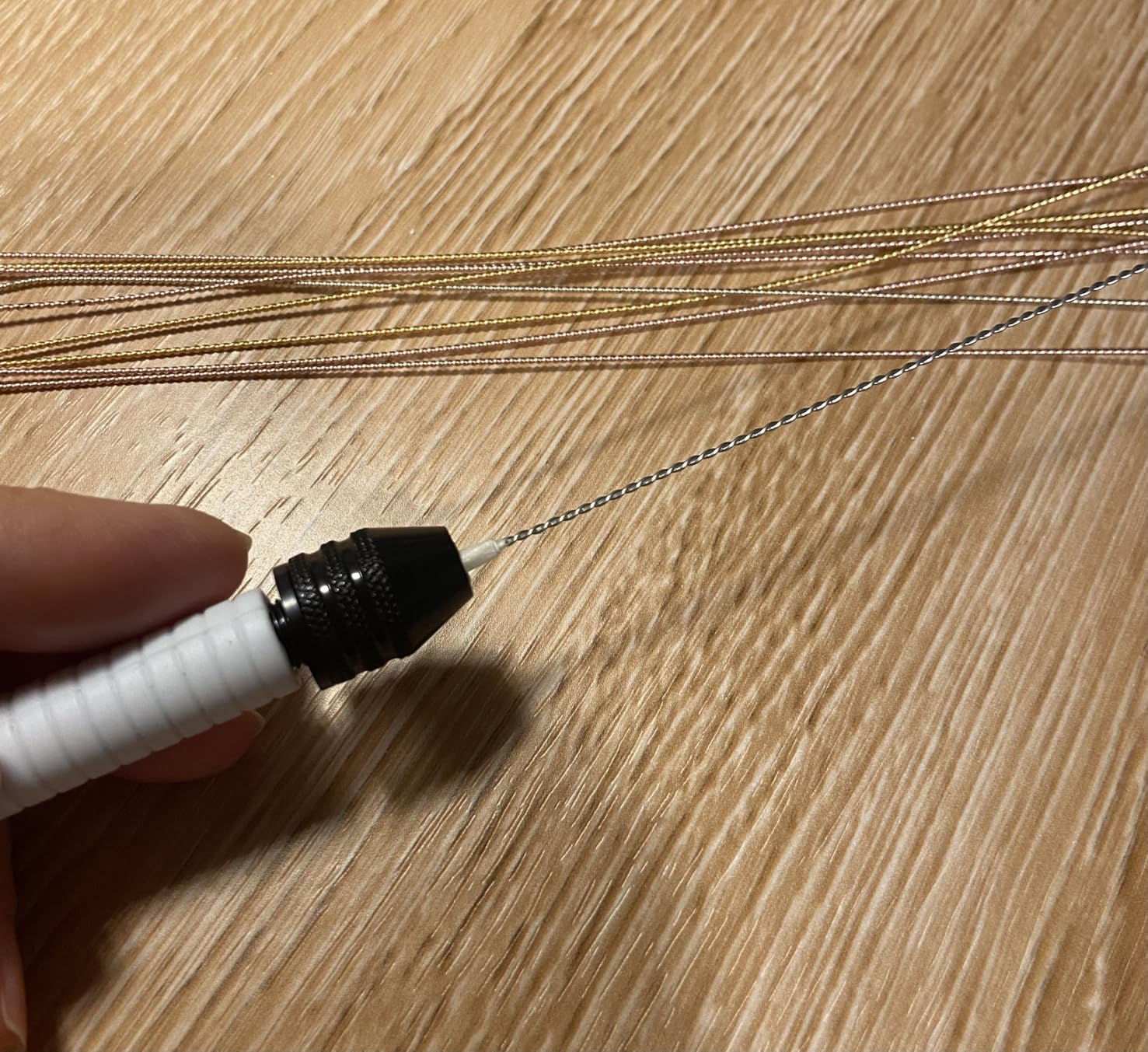
Woodworkers reach for a pin vise when installing delicate inlays or starting screws in fragile stock. Model makers use it to drill咽孔 in plastic parts without cracking the material. Jewellers rely on it for precision work in tight spaces. In every case, the pin vise solves the same core problem: you need controlled, low-speed rotation at a scale your regular drill simply cannot reach.
That is exactly where a pin vise earns its place. It is not competing with your power tools. It is complementing them for the work they cannot do.
What to Look For
Not all pin vises are equal. The grip strength of the chuck matters more than the handle material. A well-machined collet grips without scarring the shank of your bit. The handle should be comfortable enough for extended use, though you rarely need to apply much force. Weight is not a concern here: a good pin vise is light, which helps with control.
The Bottom Line
If you work with small-scale projects, whether that is model building, woodworking inlays, or precision repair, a pin vise is one of those tools you will use far more often than you expected. It solves a specific problem elegantly: precise hand-drilling at a scale that no other tool handles as well.
It lives in the drawer with the other small things. Until you need it. Then it is exactly the right tool for the job.