
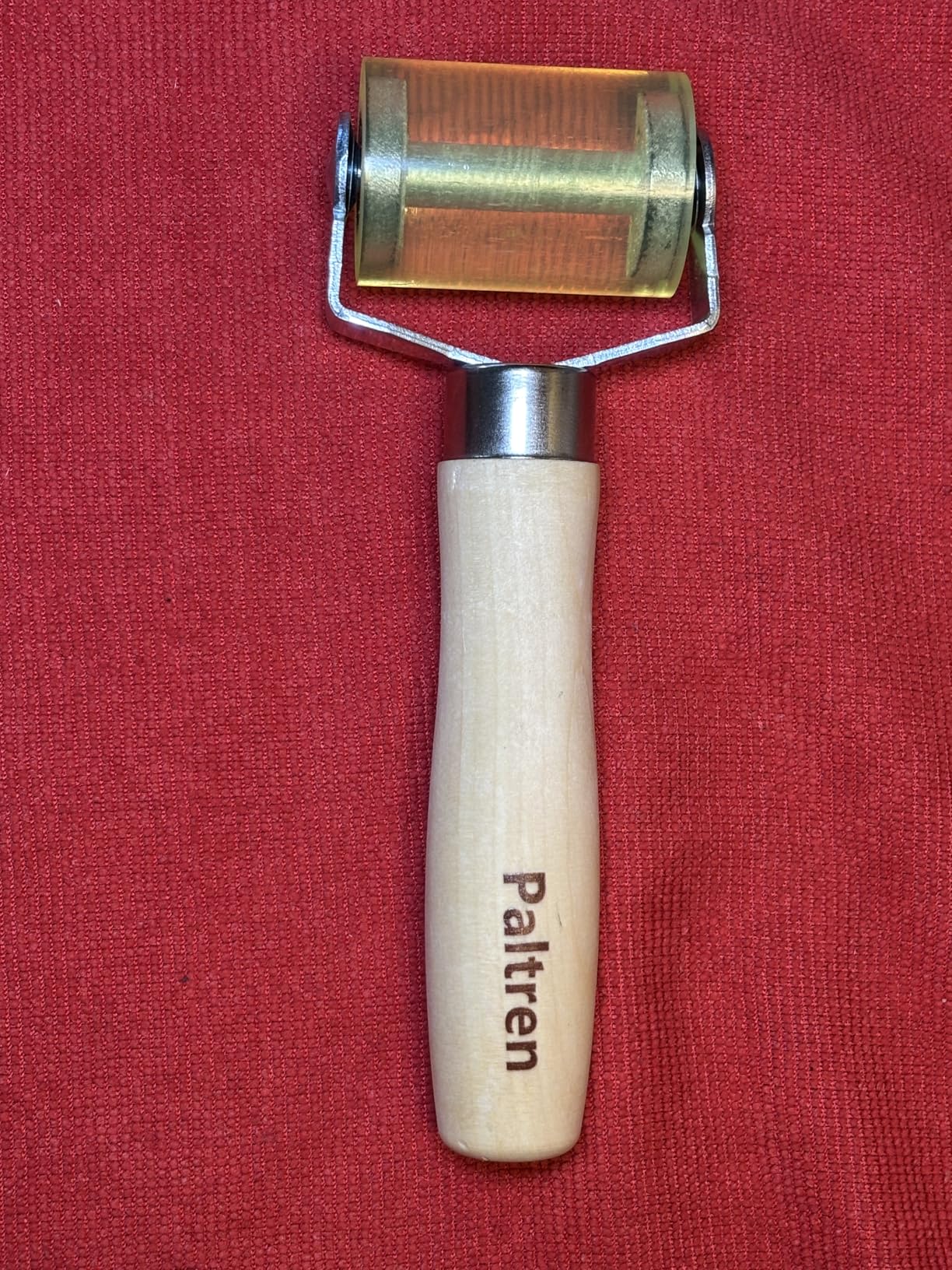
Seam Roller with Dual Ball Bearings: Why This Tool Belongs in Every Sewing Kit
May 10, 2026
If you have ever spent hours pressing seams open only to have them shift before you finish pinning, you already know the frustration. A seam roller changes that equation entirely. Instead of wrestling with pins that bend or slip, you run the roller along the seam and watch it flatten and set in one smooth motion.
What Makes the Dual Ball Bearings Different
Most seam rollers on the market use a simple friction-fit axle. Over time that axle wears, and the roller starts to wobble or drag. The Seam Roller with Dual Ball Bearings uses dual ball bearings at each end of the roller, which means the wheel spins freely and evenly across the fabric. That is not a small detail when you are working with slippery synthetics or multilayered seams in a quilt.
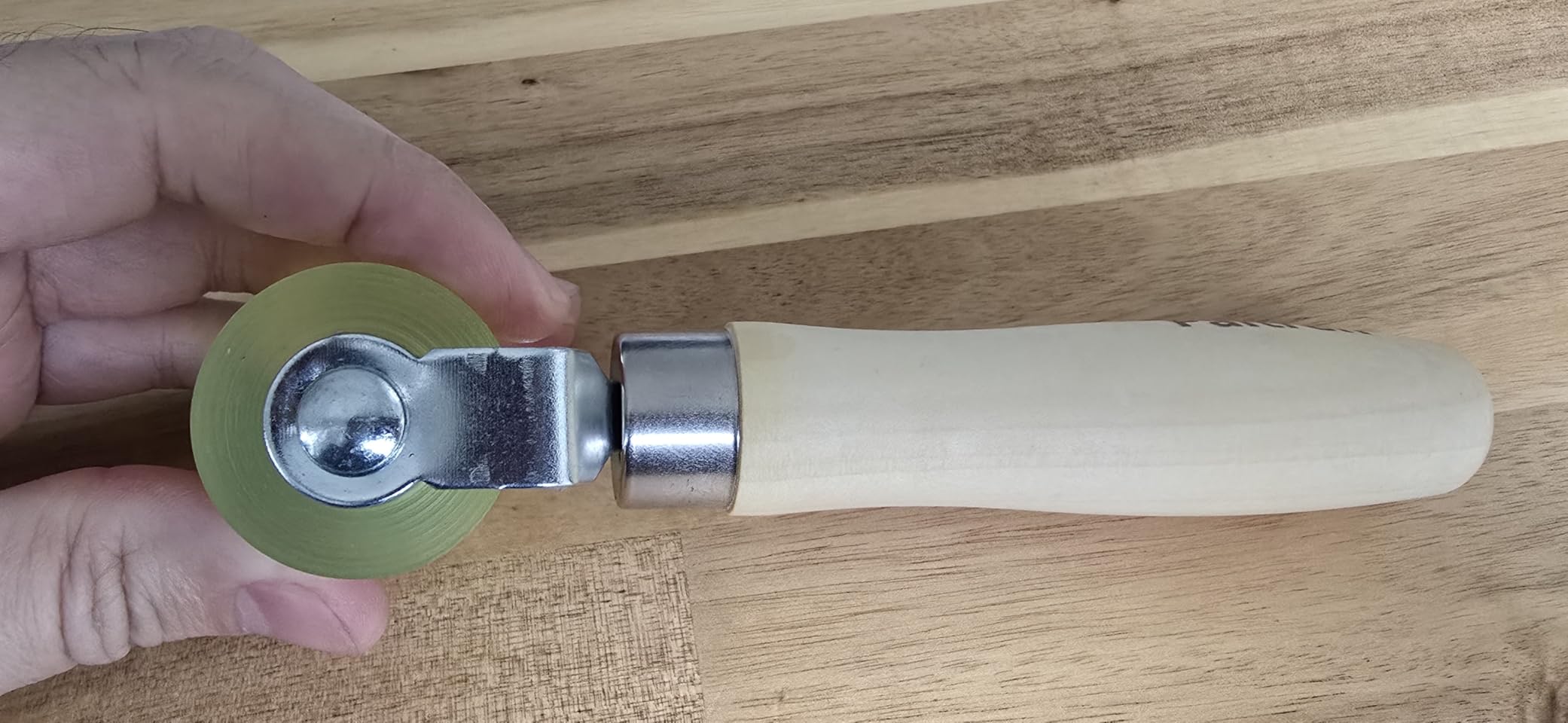
The difference in feel is immediate. Even pressure across the full width of the roller means no raised edges, no hot spots, and no fabric distortion. Whether you are pressing a straight seam in cotton lawn or rolling down a bias edge in silk charmeuse, the result is consistent.
Built for Daily Use
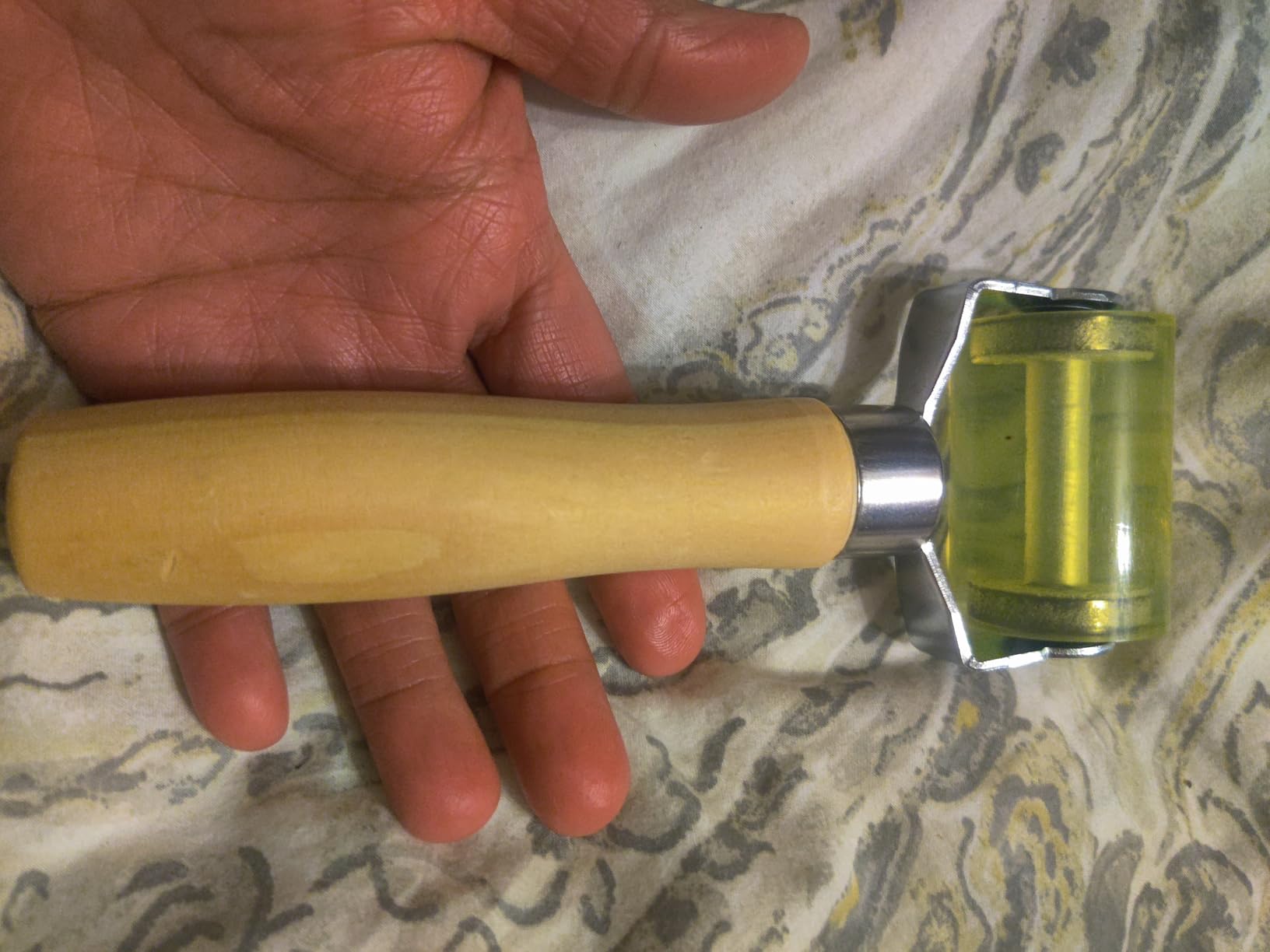
The roller is lightweight enough to use for extended periods without fatigue, yet substantial enough to apply real pressure. It works well on ironing boards, pressing ham, and even flat surfaces like a table covered with a pressing cloth. Because the roller does not require heat to set seams, it is useful as a pre-pressing tool before you bring in the iron, cutting down on the total time you spend at the board.
If you work with a lot of delicate fabrics, you know that over-pressing can damage the nap or create shine on synthetics. Using a seam roller first lets you flatten and set the seam without that risk. Then you can apply targeted heat only where you need it.
A Tool That Pairs Well With Almost Anything
The seam roller fits naturally into workflows that already involve pressing. It is not a replacement for a good iron, but it reduces how often you need to reach for it. That adds up quickly when you are working on a larger project with dozens of seams.
Whether you are a quilter working through a bed-sized top, a garment maker dealing with difficult fabric combinations, or someone who just wants cleaner seams on home decor projects, this tool earns its drawer space. It is the kind of item you did not know you needed until you try it once and then reach for it every session after.