
Best Wallpaper Seam Roller for Smooth Edges and Corners
JUNE 3, 2026
Wallpaper looks easy until a seam lifts, a corner refuses to sit flat, or a small air pocket catches the light after the paste dries. That is where a dedicated wallpaper seam roller becomes more than a nice extra. It gives you focused pressure exactly where your hand or a smoothing brush can be too broad.
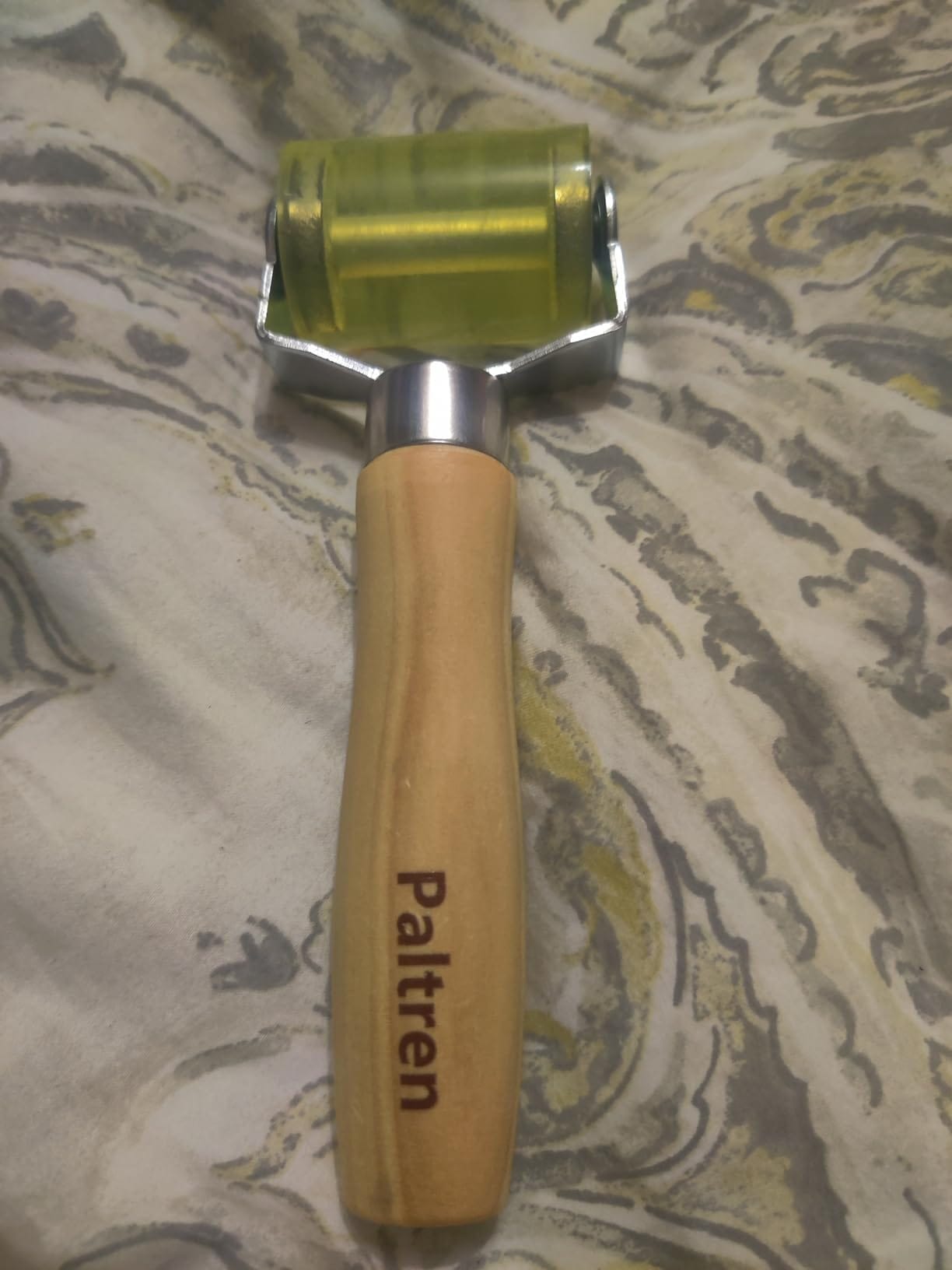
The Paltren Seam Roller with Dual Ball Bearings is built for that kind of precise finishing work. Its compact rolling head, firm handle, and dual ball bearing movement make it useful for wallpaper, peel-and-stick vinyl, sound deadening sheets, contact paper, and other adhesive-backed materials that need clean pressure without gouging the surface.
Why a Wallpaper Seam Roller Matters
A smoothing brush can press large panels into place, but seams and edges need a different kind of control. If you press with fingertips, the pressure is uneven. If you use a hard scraper, you can crease the paper or push adhesive out too aggressively. A good rubber roller spreads pressure in a narrow, predictable line.
That makes the tool especially useful around door frames, window trim, inside corners, and panel overlaps. A few firm passes can help the adhesive bond evenly before the edge has a chance to curl back.
Best Uses for This Seam Roller
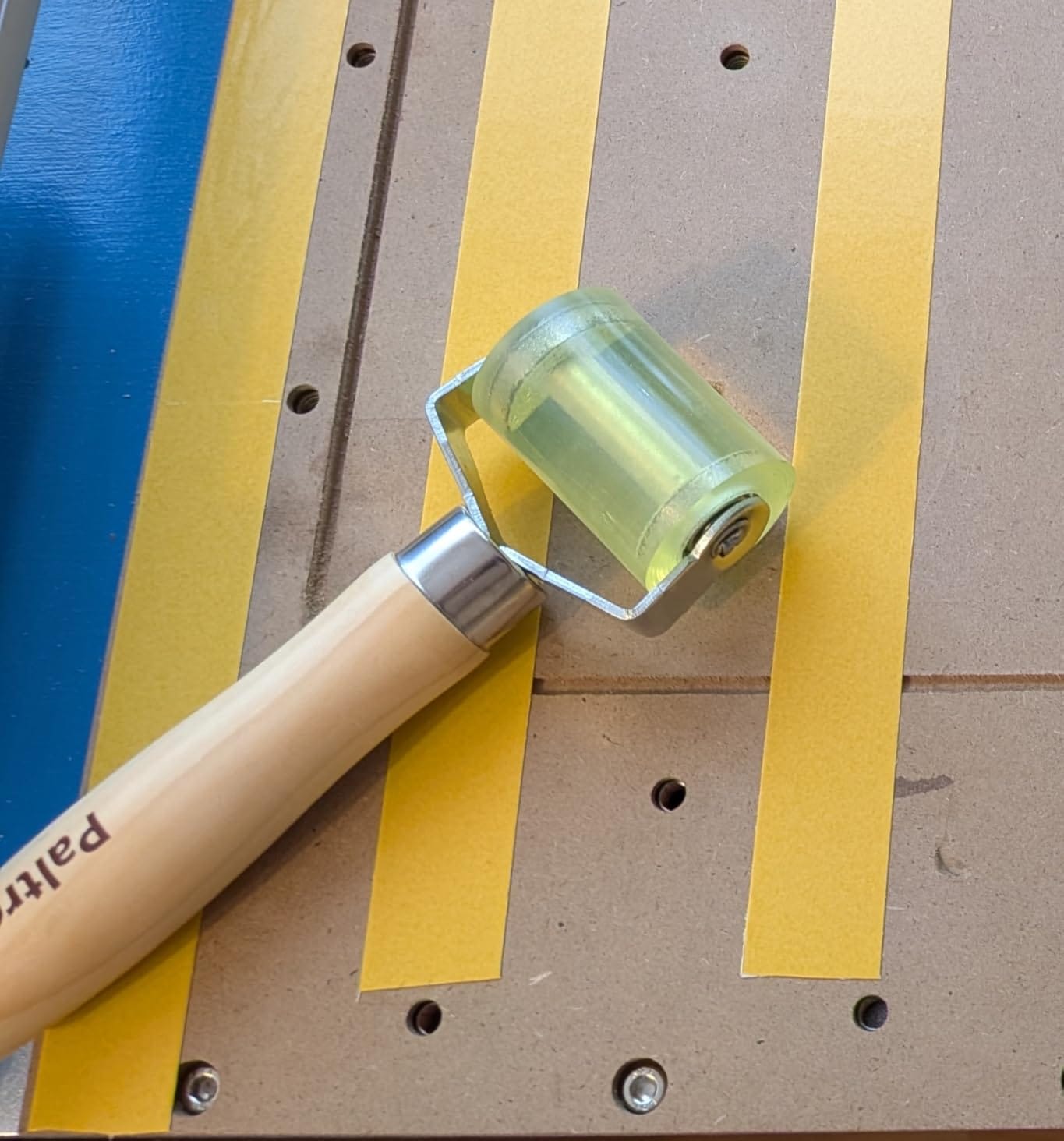
The most obvious use is wallpaper installation, but the tool earns its keep across several sticky jobs. Use it as a vinyl roller for peel-and-stick backsplash, drawer liners, decals, automotive sound deadening mats, laminate edges, and craft sheets where trapped air can ruin the finish.
Because the roller is small, it is easier to steer than a wide hand roller in tight spots. That matters when you are working along a narrow seam or trying to keep pressure on a thin strip without touching the freshly positioned material next to it.
Dual Ball Bearings Make the Pressure Feel Smoother
The dual ball bearing design helps the roller move with less drag. That smooth movement is not just about comfort; it helps you keep steady pressure as you roll over a seam. A sticky or uneven roller can skip, wobble, or leave pressure marks, especially when you are working slowly along delicate paper.
For longer projects, the comfortable handle also matters. Wallpapering a room means repeating the same motion many times, and a tool that stays easy to grip can save your hand from unnecessary fatigue.
How to Use It Without Damaging the Surface
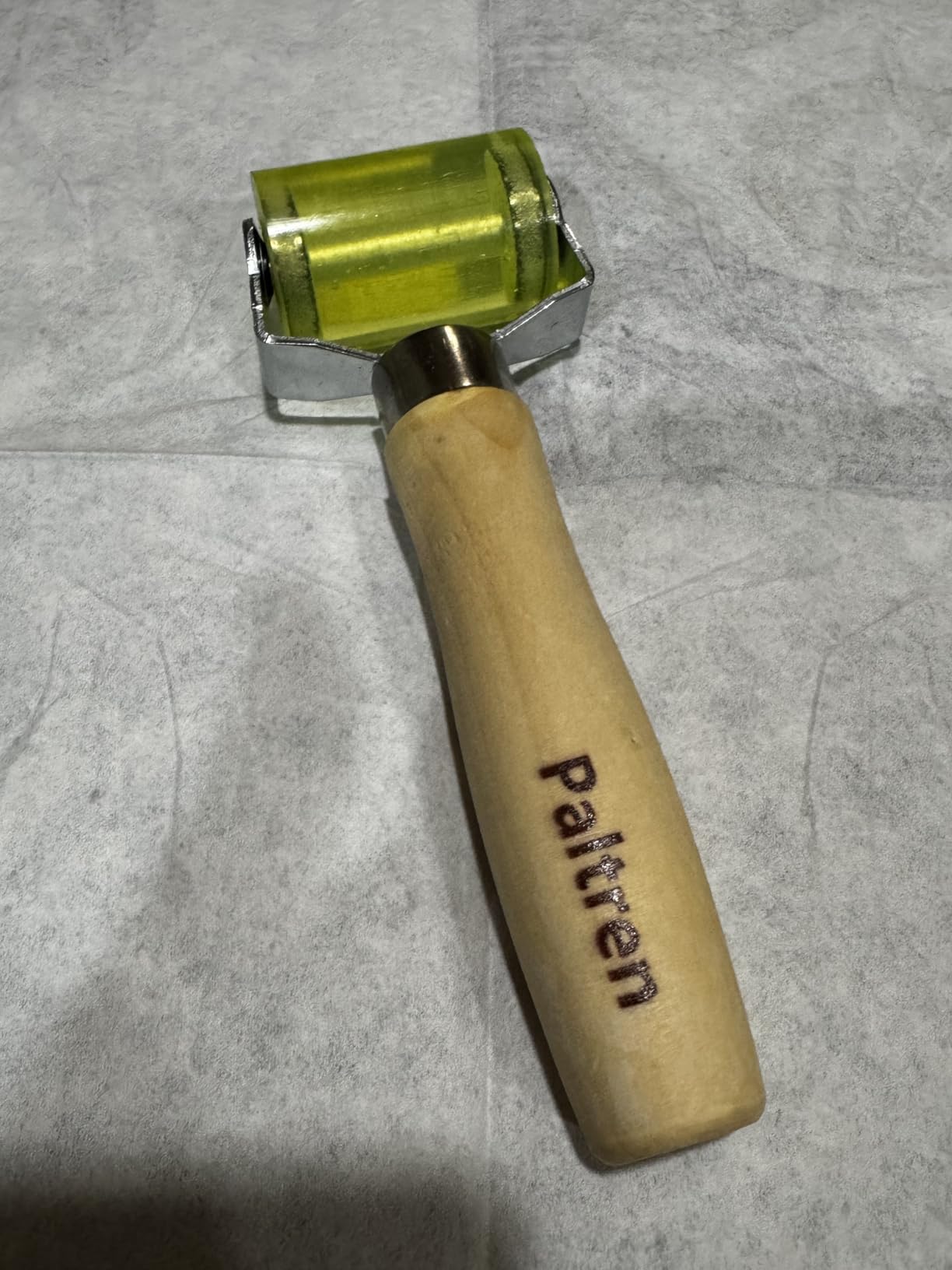
Start with light pressure, then increase gradually. Roll from the center of the panel toward the seam or edge so air and extra adhesive move outward. On delicate wallpaper, avoid grinding back and forth in one spot. A few controlled passes usually work better than one overly forceful pass.
For peel-and-stick materials, use the roller after the panel is aligned but before you fully commit the entire sheet. Work in sections, pulling the backing away slowly while rolling the material down. This reduces bubbles and gives the adhesive a better chance to make full contact.
Who Should Keep This Wallpaper Tool Nearby?
This is a practical pick for DIY homeowners, renters using peel-and-stick upgrades, installers, crafters, and car audio hobbyists applying damping sheets. If your project involves adhesive material and visible edges, the Paltren rubber roller is the kind of small tool that can make the finished result look cleaner.
It is not complicated, and that is the point. Keep it in the project bin, use it on every seam, and you will likely notice fewer lifted edges, fewer bubbles, and a more professional-looking finish.