
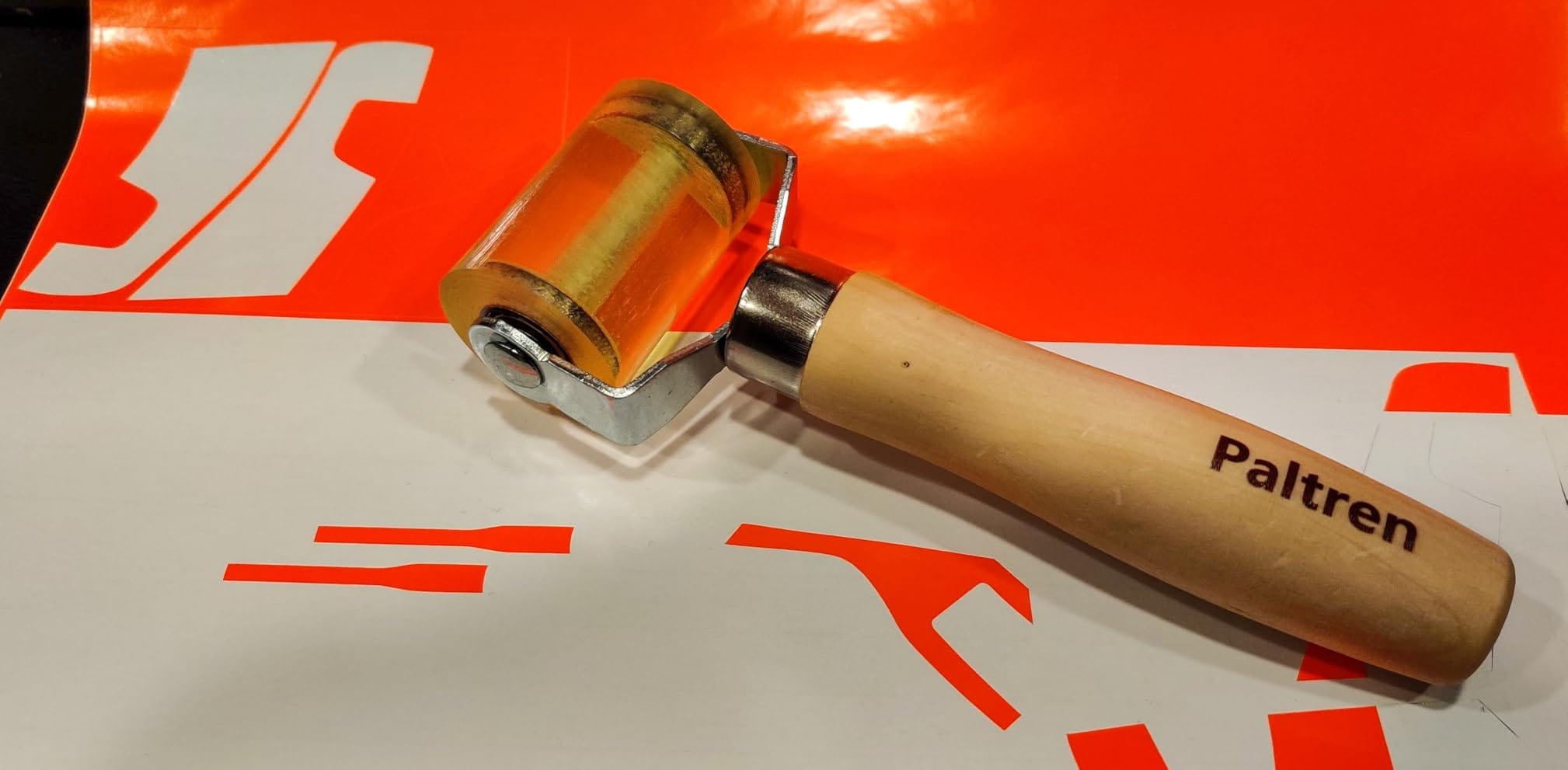
Best Sound Deadening Roller for Car Audio Installations \u2014 Paltren Dual Ball Bearing Review
May 26, 2026
If you have ever spent hours soundproofing a car door panel only to find the deadening mat peeling away from the metal after a few weeks, you already know the problem: heat, humidity, and vibration defeat every adhesive that is not backed by real pressure. That is exactly where a sound deadening roller earns its place.
Why a Quality Roller Matters More Than the Mat
Most buyers focus on the thickness of their butyl mat or the brand of their damping compound. What they overlook is the tool that actually bonds that material to the panel. A cheap hard plastic roller leaves air pockets, and air pockets mean resonance. The Paltren dual ball bearing roller applies over 15 kg of downward force with every pass,挤压 every square centimeter of material flat against the contoured metal in car doors, trunks, and floor pans.
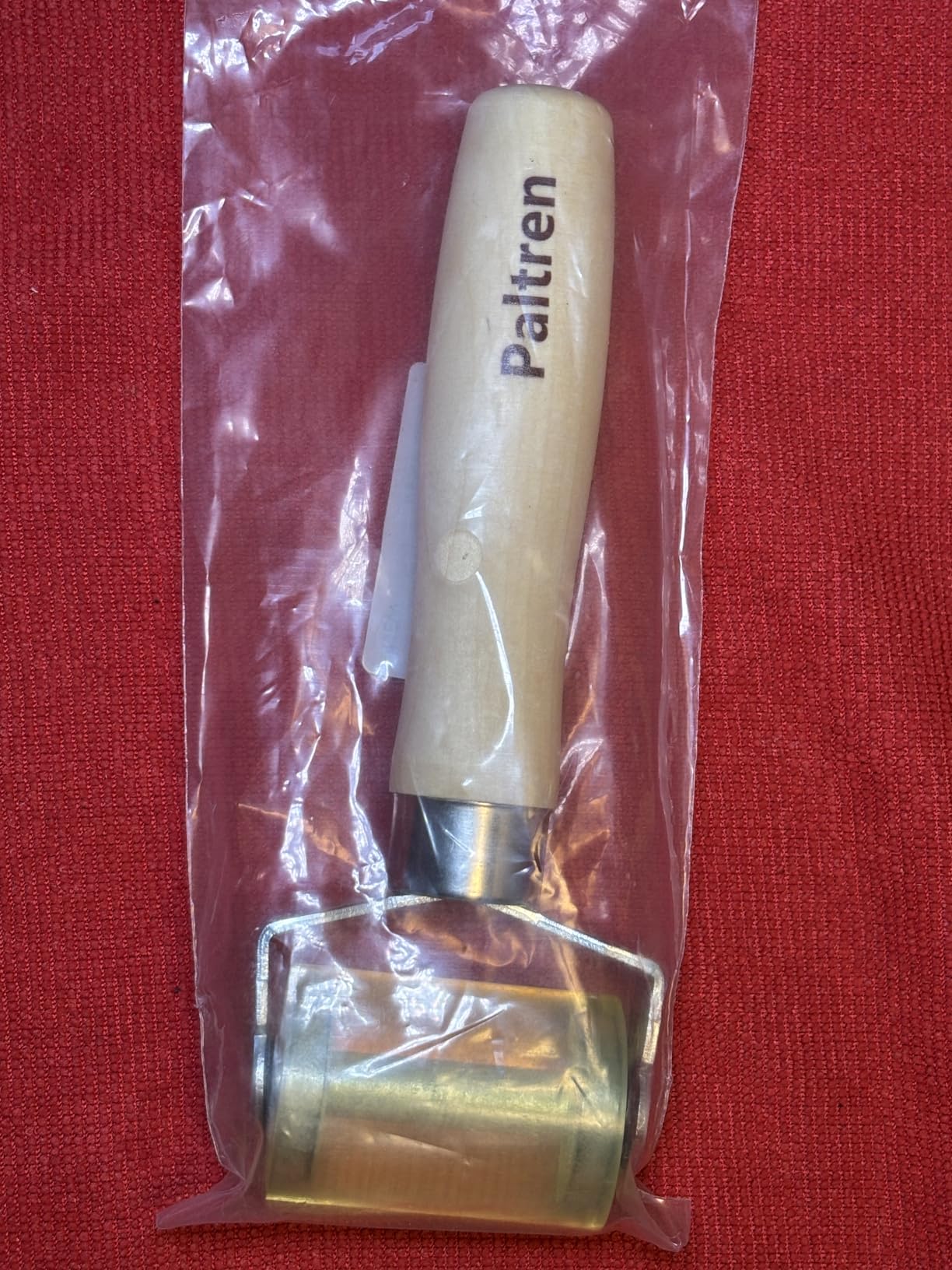
Built for the Shop and the Driveway
The rubber handle sits comfortably in the palm during full-day installation sessions. The internal dual ball bearings keep the roller spinning true without the wobble that distorts seam lines on vinyl or laminate flooring. You feel the difference immediately on curved surfaces like speaker baffles and quarter panels.
Key Features for Sound Deadening Work
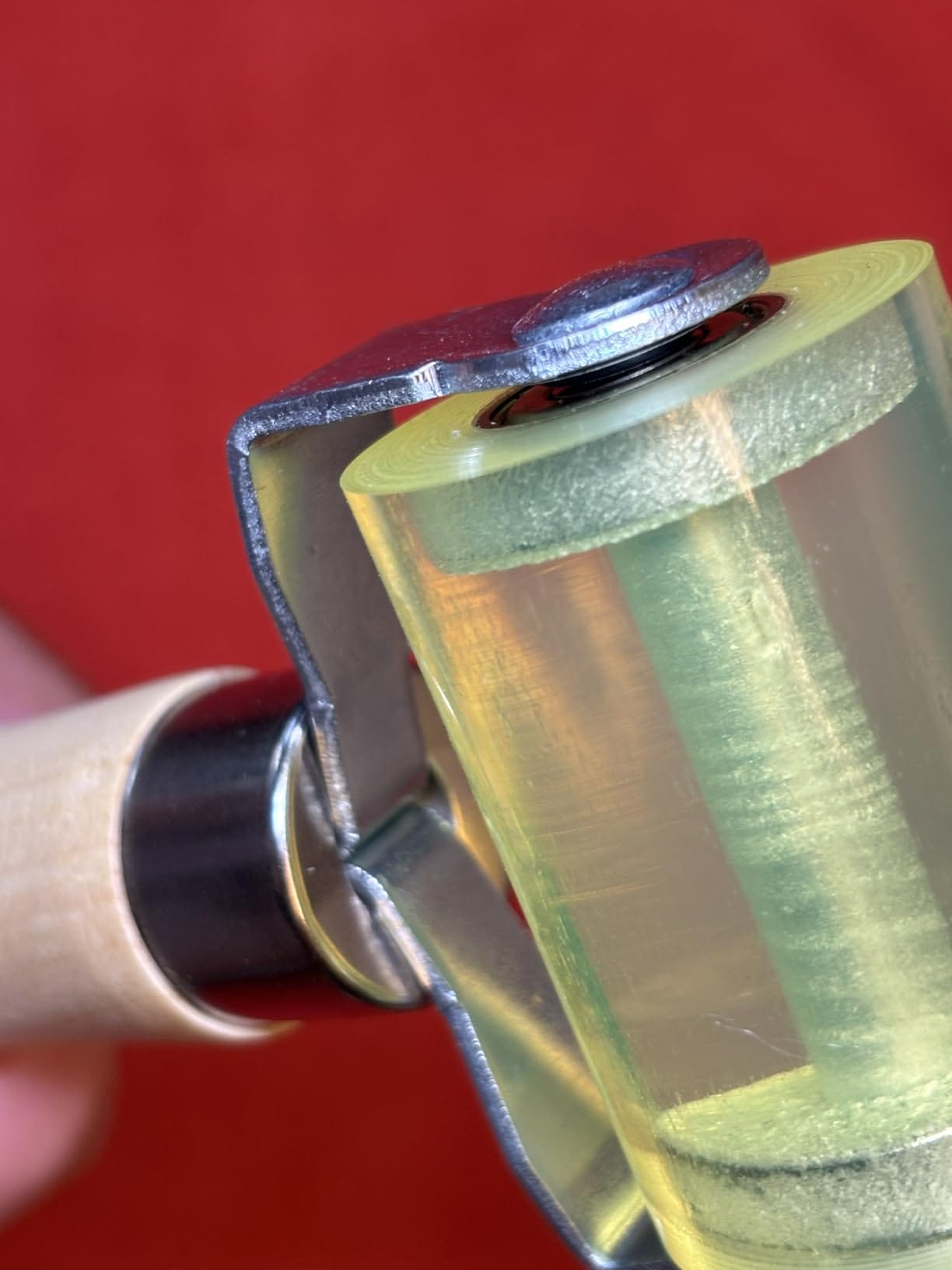
This is not a wallpaper seam roller repurposed for car audio. The Paltren roller is heavier, the bearing preload is tighter, and the urethane core resists the solvents found in many aftermarket adhesives. For vinyl flooring in mobile offices or laminated panels in marine interiors, the same roller handles those materials without skipping a beat.
- Dual ball bearing design for consistent pressure and smooth rolling
- Urethane roller core resistant to common sound deadening adhesives
- Ergonomic rubber grip for all-day comfort
- Works on butyl mat, MLV, mass loaded vinyl, and vinyl flooring
- Weighted construction for real downward pressure on every pass
How to Get the Best Bond Every Time
Start at the center of the panel and work outward toward the edges. Overlap each pass by about one inch. For curved or recessed areas, roll at multiple angles rather than forcing the roller across a sharp edge. Re-roll any area that lifts before the adhesive fully cures, typically within 30 minutes of application in a climate-controlled shop.