
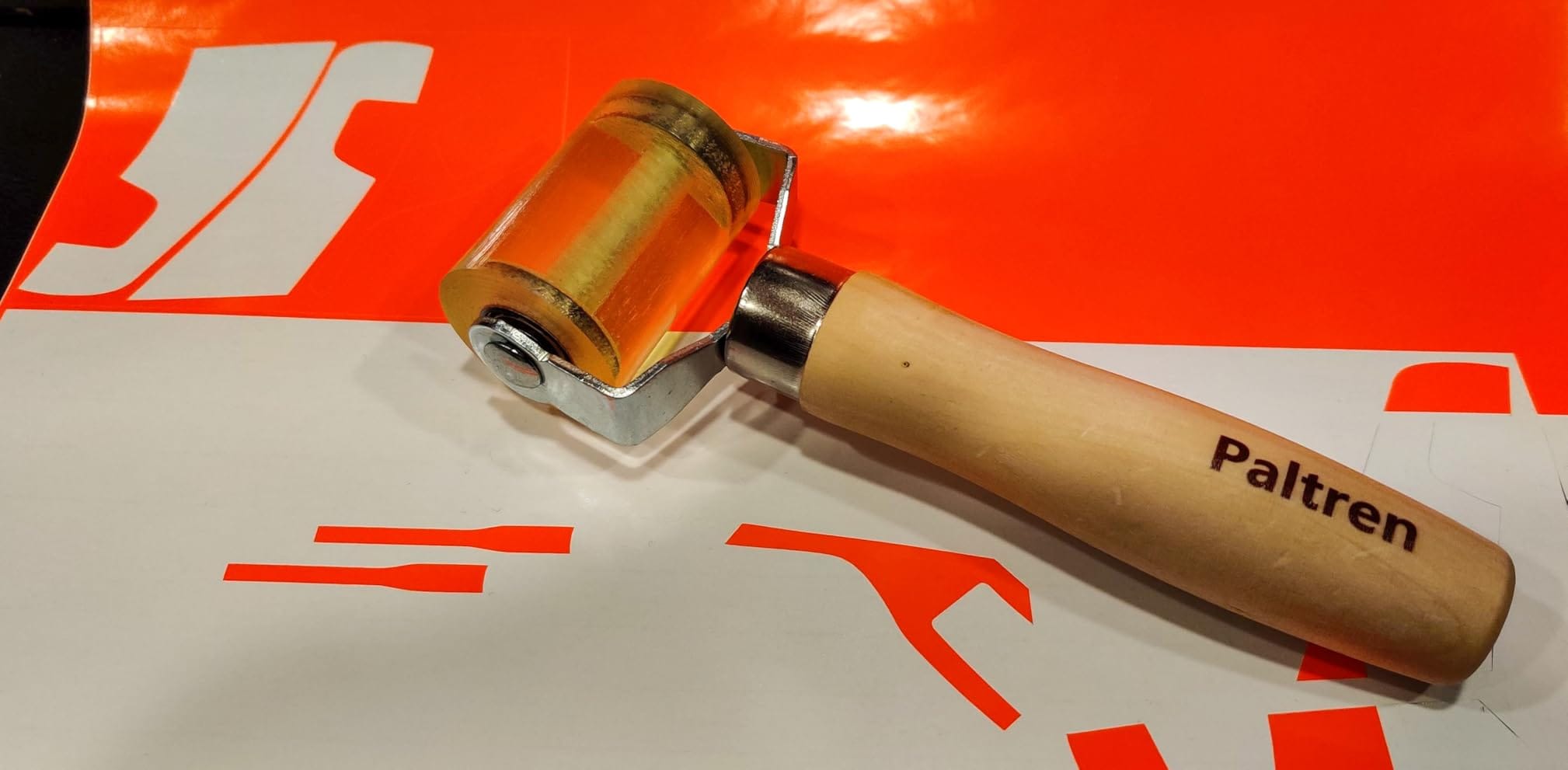
Seam Roller with Dual Ball Bearings Review — Why Every Sewist Needs One
May 18, 2026
If you have ever spent precious minutes fighting with fabric that will not stay flat while you sew, you already know how much a simple tool can change the whole experience. The Seam Roller with Dual Ball Bearings is one of those quiet upgrades that does not look dramatic on paper but immediately becomes indispensable at the sewing table.
What Makes This Seam Roller Different
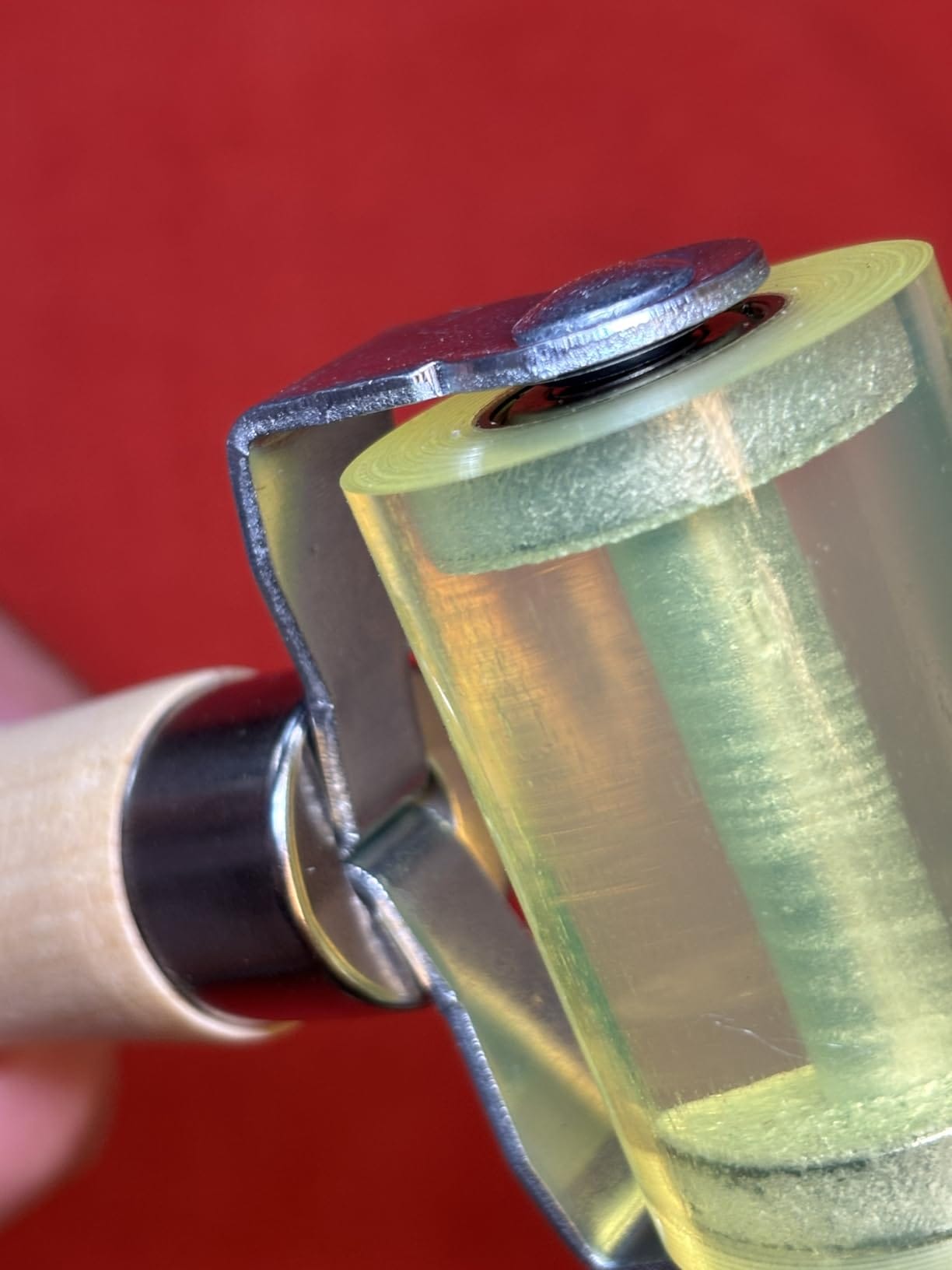
Most seam rollers on the market rely on a basic friction wheel that skips, judders, or flattens only the lightest fabrics. This model builds in dual ball bearings at the core of the roller — the same principle that makes a quality skateboard wheel roll smoothly and quietly. The bearings eliminate the grinding resistance that causes skipping, and they keep the roller gliding in a straight line even across thick layered seams.
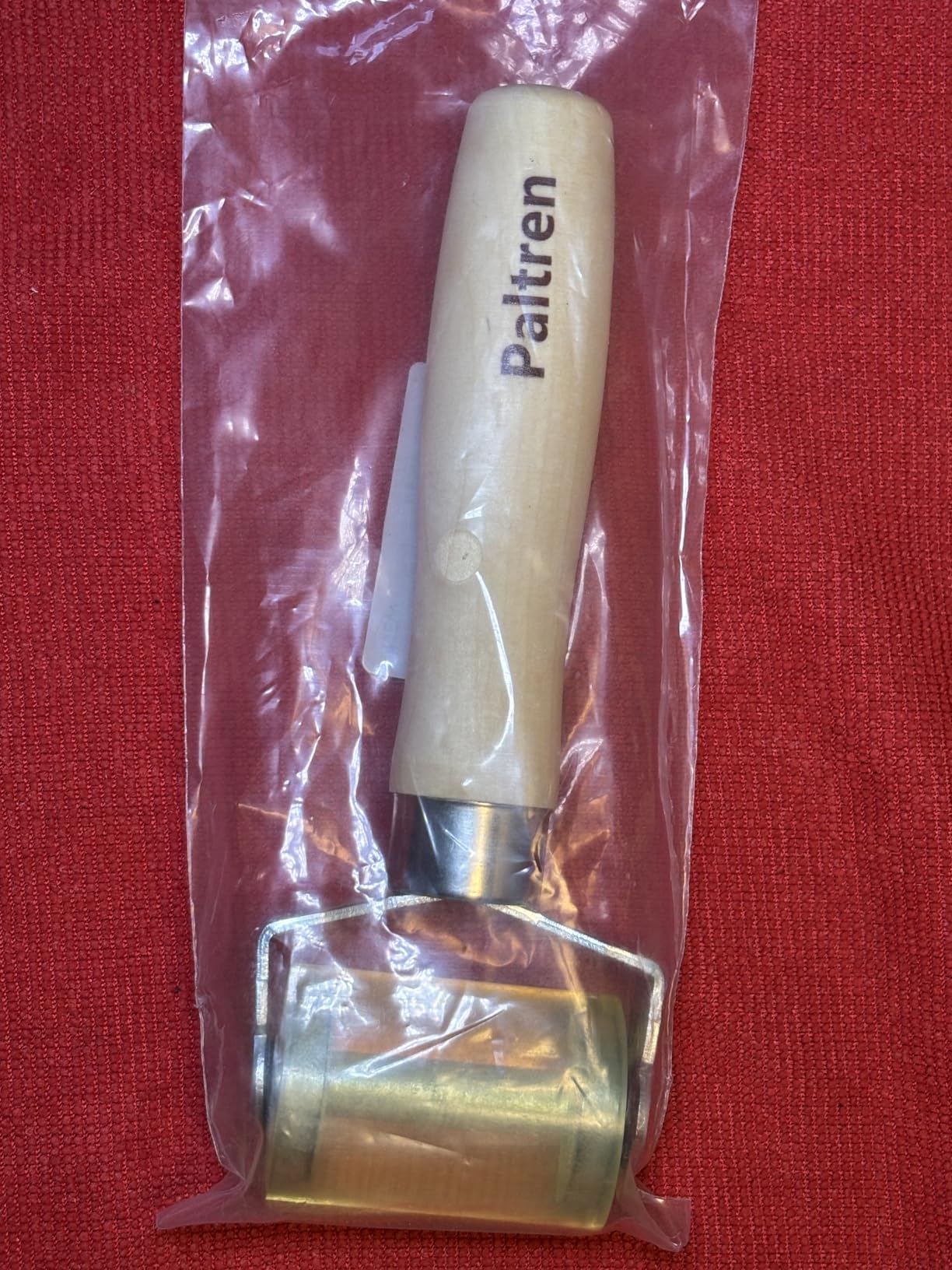
Whether you are pressing open a denim waistband, flattening bulky quilt layers, or running a clean fold through delicate chiffon, the dual-bearing design means you apply light downward pressure and the roller does the rest. You are not wrestling the fabric — you are guiding it.
Built to Last
The roller body is solid and well-balanced, not a flimsy plastic throwaway. The dual ball bearing mechanism is enclosed, which means lint, thread snippets, and dust do not gunk it up during normal sewing sessions. Over time, the smooth action holds up far better than friction-only designs that start grinding after a few months of use.
The handle fits comfortably in the hand without being bulky, and the roller width is wide enough to cover most standard seam allowances in a single pass. It stores easily in a notions drawer or a side pocket of a sewing box.
Where It Earns Its Place
For garment sewing, this seam roller is particularly useful when pressing seams open on fitted bodices or sleeves — places where a traditional iron and pressing ham can be awkward. For quilting, it smoothly flattens seam allowances across the back of a quilt without pulling or distorting the batting. The seam roller also excels at pressing bias tape around curves, where a flat iron can push the bias out of shape.
Home decor sewers will appreciate how quickly it presses pillow welting and heavy upholstery seams flat — tasks that normally require a clunky clapper or heavy iron setup.
The Bottom Line
The dual ball bearing design is a genuine functional improvement, not a marketing tweak. It changes the feel of the tool from something you work around to something you reach for automatically. If you sew regularly — whether you are a beginner building your toolkit or an experienced sewist tired of fighting with fabric that will not cooperate — this is a low-cost, high-impact upgrade.
It is well-made, smooth from the first use, and does not require any special care beyond keeping the roller surface clean. That is exactly what a good sewing tool should do: disappear into the work and make everything easier.