
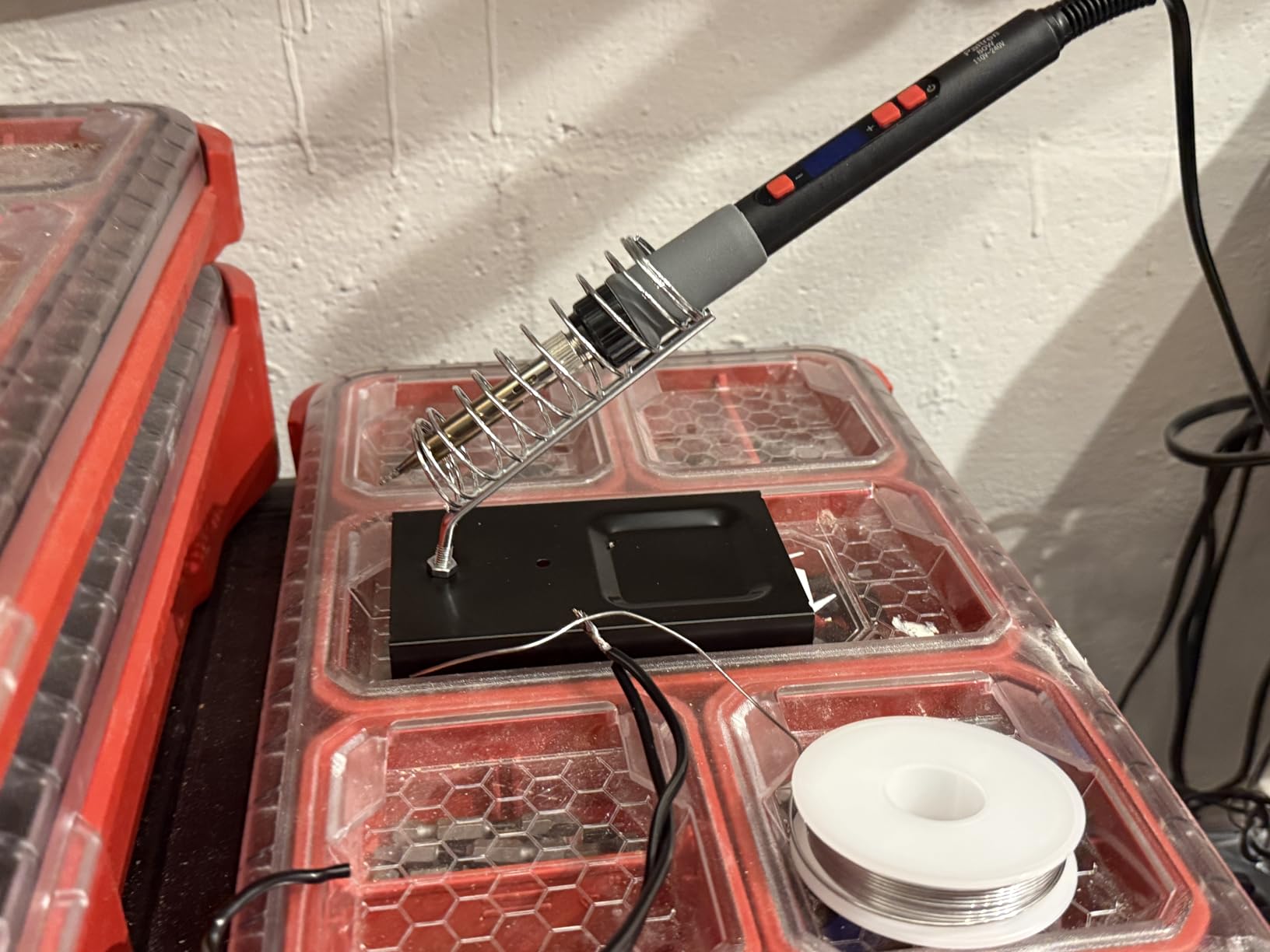
Filament Welder: Fixing Rough Edges, Seams, and Filament Details
JULY 5, 2026
Layer lines, support scars, and tiny seams are normal in 3D printing, but they can make a finished part look unfinished. A focused 3D printer smoothing tool gives you controlled heat for small fixes instead of trying to solve everything with sanding.
Why 3D printed parts need controlled heat
The Paltren 21-in-1 kit combines an 80W LED digital tool with accessories meant for smoothing, shaping, and small plastic repair work. The important part is control: too little heat does nothing, while too much heat rounds off details fast.
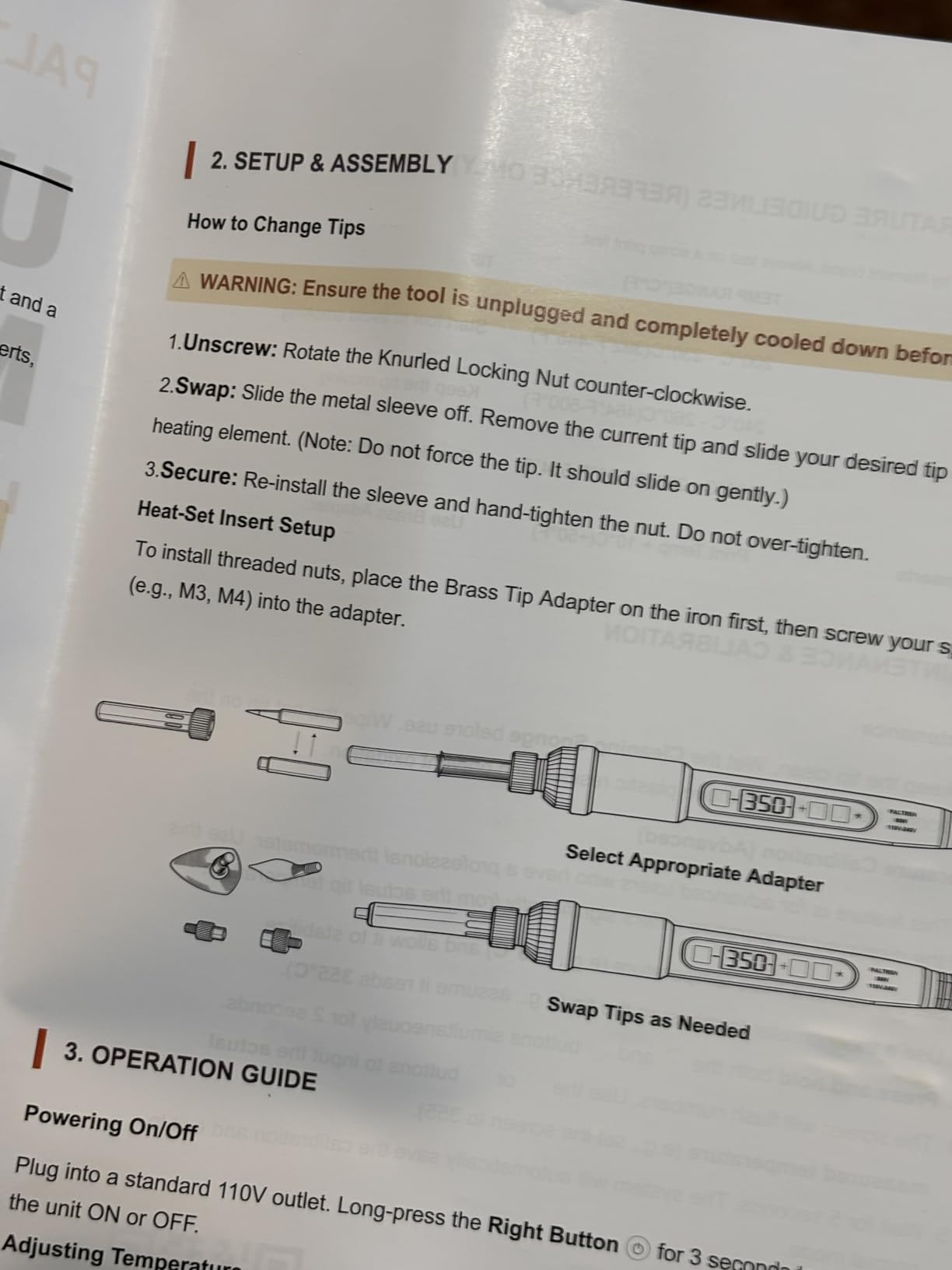
Using a digital soldering iron kit for detail work
Start on scrap filament or a failed print before touching the project piece. Learn how quickly the material softens, then use light passes instead of pressing the tip into the print.
For hobbyists who also need a soldering iron kit style tool for plastic detail work, the kit format keeps common tips and accessories together rather than scattered across a drawer.
Where a filament welder helps repairs
A filament welder approach is most useful for small joins, cracks, and reinforcement points. Match the material when possible, work slowly, and trim excess only after the repair cools.
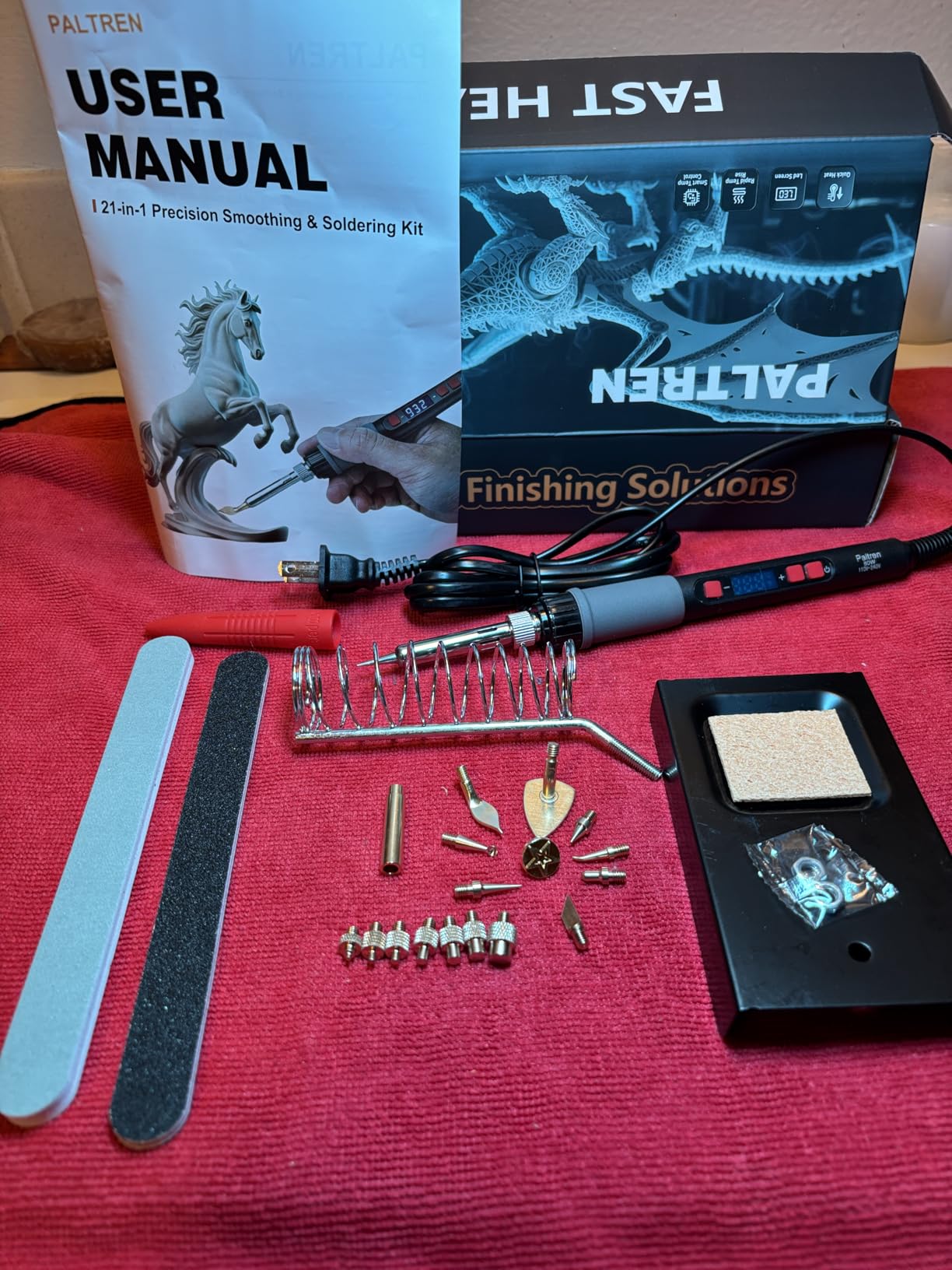
Finishing prints without over-melting the surface
Used patiently, this kind of 3D printing tool helps turn a good functional print into something cleaner, smoother, and easier to present.